Insurance and Safety for Home Cleaning
Protecting clients and teams with robust residential cleaning safeguards
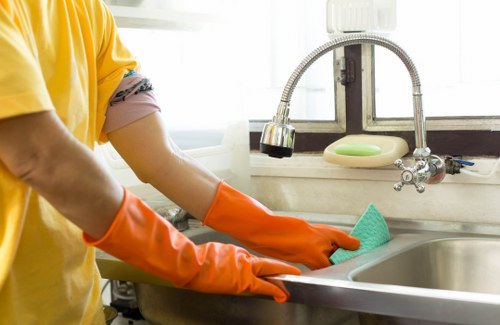 Home cleaning and house cleaning services rely not only on attention to detail but also on comprehensive safety and insurance measures. Residential cleaning providers must demonstrate that they carry adequate public liability coverage and follow strict operational procedures to prevent accidents. Our approach to domestic cleaning safety balances legal compliance, staff competence, and practical on-site risk management so homeowners can trust their property is protected while cleaners perform efficiently.
Public liability insurance for domestic cleaning covers claims if a member of the public or a client suffers injury or property damage as a result of our activities. Typical house cleaning insurance policies include cover for accidental damage, bodily injury and property loss that occur during routine or deep-clean services. We maintain policy limits that reflect the scale of our home cleaning services and ensure that every clean, from weekly maintenance to one-off deep cleans, is backed by appropriate indemnity.
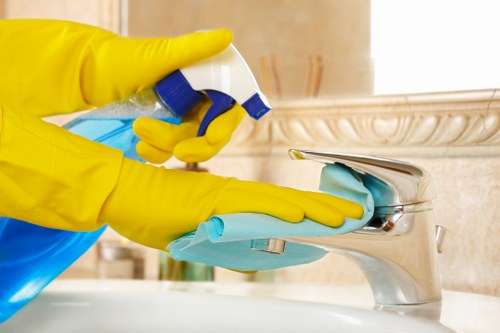 Staff training is a cornerstone of safety for professional home cleaning teams. From induction through ongoing professional development, our staff receive instruction in safe handling of cleaning agents, correct manual handling techniques, and best practices for working at height when cleaning windows or gutters as part of domestic services. Staff training also covers communication with clients, respect for possessions, and procedures for reporting hazards.
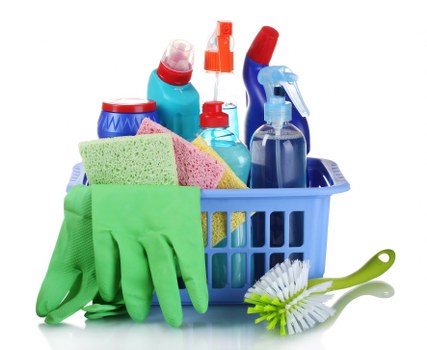
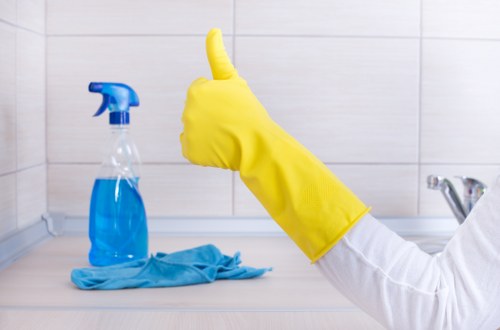
Personal protective equipment (PPE) is provided and mandated where risk assessments identify a need. Standard PPE for housekeepers and cleaning technicians includes nitrile or latex gloves, protective aprons, eye protection, and, where appropriate, respiratory masks. We emphasize correct usage and maintenance of PPE: disposable items are disposed of safely after use, and reusable items are laundered or sanitized according to infection control protocols. For specialist residential cleaning tasks, enhanced PPE and equipment are deployed.
 The risk assessment process for home cleaning is practical, site-specific and recorded. Before the first clean, a survey identifies potential hazards???slippery floors, trip hazards like rugs, electrical risks around appliances, the presence of pets, and any sensitive surfaces or antiques. For recurring domestic cleaning contracts we review and update the assessment periodically or when conditions change. Controls are chosen to remove hazards where possible, substitute safer methods, or apply engineering and administrative measures to minimise risk.
How we carry out risk assessments
Risk evaluations follow a simple, consistent format that staff can apply at every property: identify hazards, assess likelihood and severity, implement controls, and record the outcome. Key elements include:- Site survey: a brief walkthrough to note immediate risks and client instructions.
- Control selection: practical steps such as using non-slip mats, cord covers and signage for wet floors.
- Safe systems: written method statements for higher-risk tasks like oven degreasing or stair cleaning.
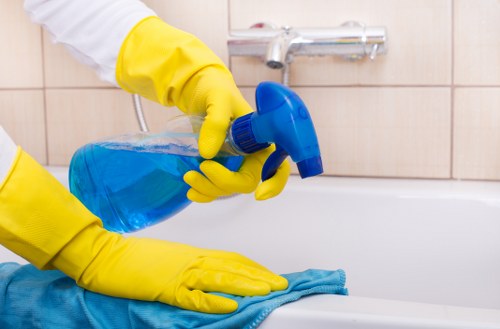 We keep detailed records of training, insurance certificates and risk assessments so that both the cleaning crew and the homeowner can be confident in our processes. Incident reporting is rapid and transparent: should an accident occur, staff follow an established procedure to secure the site, provide first aid if needed, notify the appropriate parties, and document the event for insurers. These records support claims handling and continuous improvement in safety for future residential cleaning visits.
 Safety culture also extends to the selection and vetting of staff who deliver domestic cleaning. All team members undergo background checks appropriate to the nature of their duties, supervised shadowing during induction, and regular competency reviews. We use a mixture of practical assessments and refresher modules to ensure cleaners are confident in PPE use, spill response, and safe chemical dilution, reducing the likelihood of on-site incidents and insurance claims.
Our commitment to safety for home cleaning services includes clearly defined emergency procedures and equipment. Teams carry spill kits and basic first-aid supplies as standard for domestic work. In the rare event of significant damage or injury, we coordinate with emergency services and our insurer while following client instructions and applicable privacy rules. This pragmatic approach helps contain loss, protect people, and streamline any subsequent public liability claim.
Regular audits of health and safety practices, periodic insurance reviews and transparent incident analysis allow us to maintain high standards across all house cleaning services. We adapt policies to reflect regulatory changes and emerging best practices in residential cleaning, ensuring that public liability cover, staff competencies and PPE provisions remain appropriate for the work performed.
In summary, effective safety management for home cleaning integrates robust insurance cover, thorough staff training, mandatory PPE use and a disciplined risk assessment process. These elements work together to protect clients, cleaners and property while delivering reliable, professional domestic cleaning services. Clients benefit from peace of mind knowing that each clean is governed by documented procedures, trained personnel and insurance that responds when it is needed most.