Health and Safety Policy for Home Cleaning Services
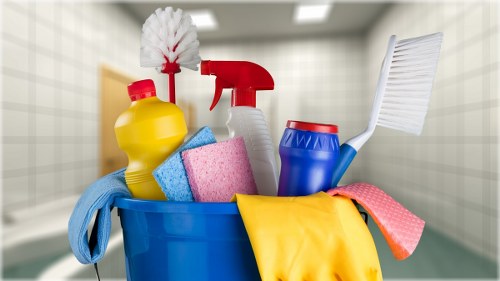 Policy Overview: This health and safety policy sets out the principles and practical measures that govern safe working in domestic cleaning and residential housekeeping. The aim is to protect cleaners, household members, visitors, and property through consistent application of safe work practices, risk awareness, and ongoing training. The policy applies to all types of home cleaning operations including routine housekeeping, deep cleaning, and specialist domestic cleaning tasks.
Scope and Objectives
This statement outlines objectives for reducing hazards and preventing incidents during home cleaning. Objectives include minimizing chemical exposure, preventing slips, trips and falls, ensuring correct manual handling for moving furniture and heavy items, and maintaining infection control standards. The policy reinforces that every person involved in house cleaning activities has a part to play in creating a safe environment.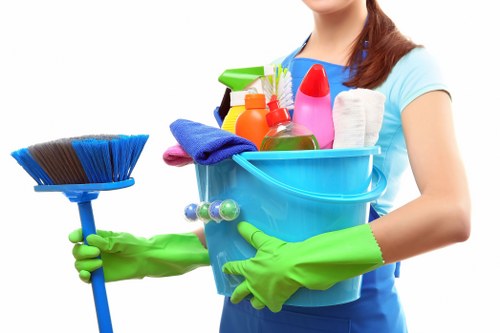
Key Principles
The core principles for safe home cleaning are: risk assessment before work begins, use of appropriate personal protective equipment (PPE), safe use and storage of cleaning agents, clear communication with occupants, and immediate reporting of hazards. These principles apply across all residential cleaning and housekeeping tasks and during any site-specific cleaning operations.Responsibilities: Management must provide clear safety instructions, necessary protective equipment, and training for domestic cleaning staff. Cleaners are responsible for following procedures, using PPE correctly, and alerting supervisors to hazards or incidents. Homeowners or occupants should inform cleaners of specific risks such as pets, uneven flooring, recent medical conditions, or fragile items that may affect safe completion of residential cleaning tasks.
Risk Assessment and Safe Work: A visual risk check should be performed before starting any home cleaning job. Identify wet floors, loose rugs, obstructed passageways, electrical hazards, and chemical storage. For tasks that involve working at height (e.g., cleaning high windows) or significant manual handling, plan the work to reduce risk ??? use appropriate equipment and consider team lifting.
Training and Competence: Staff engaged in home cleaning services must receive training on safe use of cleaning products, correct PPE selection, manual handling techniques, and basic first aid and emergency response. Training records should be maintained, and refresher training scheduled periodically to ensure competency.
Control Measures for Common Hazards
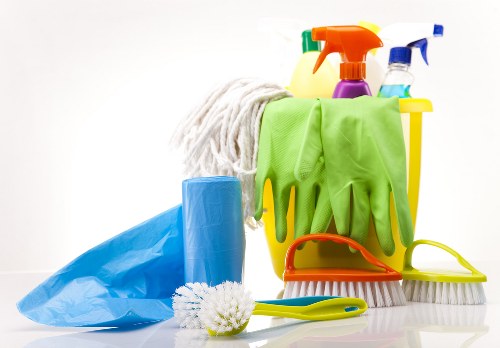
To manage hazards commonly encountered in home cleaning, implement the following controls: use dilution systems or pre-mixed cleaners to reduce chemical risks; display wet floor signs or block access to freshly cleaned areas; store chemicals in clearly labelled containers away from foodstuffs; and ensure electrical appliances are unplugged before cleaning. Emphasize housekeeping practices that reduce clutter and eliminate trip hazards in all residential cleaning activities.PPE and Equipment: Provide and require the use of appropriate PPE such as gloves, eye protection, and, where necessary, respiratory protection for dusty or fume-prone tasks. Ensure cleaning equipment is in good condition and regularly inspected. Use non-slip footwear where possible and provide steps or small ladders with handholds for safe access to high areas.
Infection Prevention and Waste Management
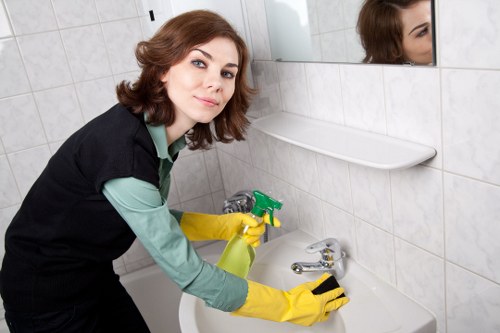
For homes where infection risk is a concern, adopt enhanced hygiene measures: use disposable materials when appropriate, follow correct laundering procedures for cloths, and use disinfectants according to manufacturer instructions. Dispose of hazardous waste, sharps, or medical-related refuse securely and separately from general household waste, following safe handling and containment procedures during domestic cleaning operations.
Incident Reporting and Emergency Procedures
All incidents, near misses, and injuries occurring during housekeeping or home cleaning services must be reported immediately. Establish a simple reporting process for staff to log incidents and for management to investigate causes and implement corrective actions. Maintain clear emergency procedures, including action steps for severe allergic reactions, chemical exposures, slips resulting in injury, or fires, and ensure staff know when to summon emergency services.Monitoring and Continuous Improvement: Regularly review safety performance for domestic cleaning operations through inspections, incident analysis, and staff feedback. Implement corrective actions and update procedures to reflect changes in equipment, products, or the nature of residential cleaning tasks. Encourage a culture where safety concerns are raised proactively and improvements are made iteratively.
Final Statement: Commitment to safety in home cleaning is continuous and collaborative. By applying these health and safety practices???covering risk assessment, PPE, training, safe use of cleaning agents, manual handling, infection control, waste management, and incident reporting???providers of home cleaning and residential cleaning services can reduce risks and protect everyone involved. This policy should be reviewed regularly and adapted to new cleaning methods, products, or identified hazards.
- Core topics covered: risk control, PPE, training, incident reporting, equipment safety.
- Applicability: applies to domestic cleaning, residential housekeeping, and home cleaning services.
- Review cadence: conduct safety reviews periodically and after significant incidents.