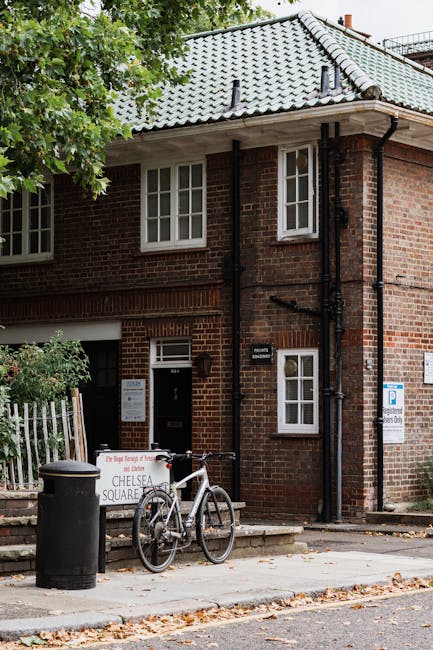
End of tenancy cleaning SW3 Chelsea London tips: a practical guide for a smoother move-out
If you are getting ready to move from a flat or house in Chelsea, the cleaning can feel like the last big hurdle. End of tenancy cleaning SW3 Chelsea London tips matter because they can help you hand the place back in good shape, avoid awkward disputes, and make the final inspection far less stressful. Truth be told, the difference between an ordinary clean and a proper move-out clean is often in the details: skirting boards, inside appliances, limescale, grout, cupboards, and those little marks you stop noticing after a while.
In this guide, we will walk through what end of tenancy cleaning involves, how it works in SW3, what tenants and landlords usually expect, and the small things that make a big difference. You will also find a checklist, comparison table, common mistakes, and realistic advice for Chelsea homes where time is short and standards can be high.
- Why end of tenancy cleaning matters in SW3
- How the process works
- Key benefits and practical advantages
- Who this is for and when it makes sense
- Step-by-step guidance
- Expert tips for better results
- Common mistakes to avoid
- Tools, resources and recommendations
- Law, compliance, standards, or best practice
- Options and comparison table
- Case study or real-world example
- Practical checklist
- Conclusion
- Frequently asked questions
Why End of tenancy cleaning SW3 Chelsea London tips Matters
End of tenancy cleaning is not just about making a place look neat. It is about returning the property in a condition that fits the tenancy agreement and the condition it was in when you moved in, allowing for fair wear and tear. In Chelsea, where many homes are well-finished, compact, and detail-heavy, that standard can be felt even more sharply.
SW3 often includes apartments with fitted kitchens, polished surfaces, older fixtures, sash windows, and bathroom areas that show limescale quickly. If you have lived in the property for a while, you may have gone a bit blind to the marks on the hob or the dust above door frames. That is normal. A proper end of tenancy clean resets all of that.
Why does it matter so much? Because moving out is already full of enough moving parts: keys, inventory checkouts, utility changes, packing tape that disappears when you need it most. Cleaning is the thing that can quietly become the reason a deposit discussion drags on. A thorough approach helps reduce that risk.
For many tenants, the real goal is simple: leave no avoidable issue for the landlord or letting agent to point at. For landlords and property managers, it is about getting the home ready for the next occupant without delays. Everyone wins when the clean is done properly.
Expert summary: In end of tenancy cleaning, the final result is judged less by effort and more by finish. A room can look "mostly clean" to you and still miss the standards expected at checkout. That is why a methodical plan beats a quick wipe-down every time.
How End of tenancy cleaning SW3 Chelsea London tips Works
The process usually begins with a full-room clean from top to bottom. That means dusting high surfaces first, then moving down to shelves, worktops, skirting, floors, and corners. If you clean in the wrong order, you end up redoing things. A bit annoying, but easy to avoid.
Most end of tenancy cleans focus on the areas that show the most wear: kitchen, bathroom, bedrooms, living spaces, hallway, and any storage areas. Inside cabinets, behind appliances where accessible, and around taps and fixtures are usually included. If there is carpet, upholstery, or specialist flooring, those areas may need separate treatment.
In practice, there are two common routes. Some people do the clean themselves, especially if the property is small and well-maintained. Others book professional end of tenancy cleaning because it saves time and reduces the risk of missing something obvious. In our experience, busy move-out weeks in Chelsea rarely leave much margin for error.
A strong clean generally includes:
- kitchen degreasing and appliance cleaning
- bathroom descaling and sanitising
- dust removal from fixtures, fittings, and hard-to-reach edges
- vacuuming and mopping floors
- glass, mirrors, and internal window surfaces where included
- spot treatment for marks on walls, doors, and skirting boards
If a property has built-up grime, a one-off deep clean can be the better starting point. For homes that are well kept but need a final polish before handover, a deep cleaning service can be a sensible benchmark for what "properly clean" actually looks like. And if the oven has become a mini ecosystem of baked-on residue, oven cleaning is one of those jobs that tends to repay itself in peace of mind.
Key Benefits and Practical Advantages
A good end of tenancy clean does more than tick a box. It saves time, reduces back-and-forth, and makes the property feel ready for the next chapter. To be fair, that emotional reset matters too. Walking out of a spotless flat feels very different from leaving behind a stressful mess.
Here are the main benefits:
- Better deposit protection: You reduce the chance of cleaning-related deductions, provided the rest of the tenancy has been handled responsibly.
- Faster checkout: Letting agents and landlords are more likely to complete inspections smoothly when the property is already in good condition.
- Less last-minute pressure: A structured clean stops the final day turning into a panic.
- Improved first impression: If you are a landlord or preparing a property for new tenants, a clean home looks cared for and professionally managed.
- Better hygiene: Kitchens and bathrooms especially need more than a cosmetic wipe.
There is also a practical side many people overlook: end of tenancy cleaning can reveal maintenance issues. A leaky seal, a broken extractor, or mould behind a unit is much easier to spot when the property is cleaned properly. That can help everyone deal with the problem before it becomes a bigger one.
And let's face it, a clean empty room always looks brighter in daylight. Even a small SW3 apartment can feel almost generous once the dust and fingerprints are gone.
Who This Is For and When It Makes Sense
This service or approach is useful for a few different people, and the reasons are not all the same.
Tenants: If you are moving out of a rented flat, the end-of-tenancy clean is usually part of meeting your obligations. It makes the handover easier and helps you show that you left the property responsibly.
Landlords and letting agents: If you want the home ready for viewings or a new tenancy, a proper clean saves time between occupancies and helps with presentation.
Homeowners selling a property: While technically a different aim, the same cleaning standards often apply when you want the place to look polished before completion, photos, or viewings.
Flat shares and shared rentals: These can be trickier because responsibility is split. If everyone has packed up at different times, a clear cleaning plan is a lifesaver. Who cleans the oven? Who sorts the bathroom? Good question. Usually the answer is whoever wants the least drama.
This approach makes the most sense when the property has visible wear, when time is short, or when the final inspection is likely to be detail-focused. In Chelsea, with many furnished and professionally managed homes, it is especially useful to be organized rather than optimistic.
Step-by-Step Guidance
If you want the clean to go smoothly, start with a plan. A rushed sweep at the end of moving day is rarely enough. Here is a simple method that works well in most SW3 properties.
- Check the tenancy agreement and inventory. Look for cleaning obligations, appliance requirements, and any mention of professional standards.
- Clear the property completely. Cleaning around boxes, bags, and leftover bits only slows you down. Empty rooms are easier to assess properly.
- Start high and dry. Dust light fittings, tops of cabinets, shelves, and picture rails before touching floors.
- Focus on the kitchen first. Degrease the hob, clean the extractor area, wipe cabinet fronts, scrub the sink, and clean inside appliances if they are part of your handover.
- Move to bathrooms. Descale taps, shower glass, tiles, and toilet areas. Pay attention to corners where residue builds up.
- Address walls and woodwork. Remove fingerprints, scuffs, and dust from skirting boards, doors, handles, and switches.
- Vacuum and mop last. Floors should be finished after everything else, not before.
- Do a final light check. Open curtains, look behind doors, and inspect the property in daylight if possible.
If carpets are part of the inventory condition, they often need extra attention. A carpet cleaning service can help with stains, odours, and high-traffic marks that vacuuming alone will not shift. For sofas and chairs, upholstery cleaning may be worth considering, especially in furnished rentals where fabric absorbs everyday use faster than people expect.
One small but useful tip: take photos after cleaning, especially if you are leaving the property when the agent cannot attend immediately. Not dramatic. Just sensible.
Expert Tips for Better Results
Now for the bits that often make the difference between "clean enough" and "that looks properly done". These are the practical details that experienced cleaners tend to rely on.
1. Use the right products for the surface
Not every cleaner works everywhere. Stainless steel, painted wood, natural stone, glass, and laminate all behave differently. A product that cuts grease well in a kitchen may dull or stain another surface. Read the label, test a small hidden area if you are unsure, and avoid guesswork. The goal is clean, not surprise damage.
2. Allow time for dwell
Spraying and instantly wiping is fine for light dust, but tougher marks need a few minutes. Descaling, degreasing, and oven cleaning all improve when the product is given time to work. That waiting period is boring, yes. But it saves elbow grease later.
3. Don't ignore hidden touchpoints
Light switches, door handles, cupboard edges, window tracks, and the tops of skirting boards are small areas, yet they stand out during inspections. If you are only checking the obvious surfaces, you may miss the things agents notice first.
4. Treat smells seriously
A room can look spotless and still feel unfinished if there is lingering food, damp, or pet odour. Ventilate early, empty bins, clean drains where needed, and pay attention to textiles. A fresh room should smell neutral, not heavily perfumed. Strong fragrance can be a bit of a cover-up.
5. Keep your final hour for review
Many people make the mistake of cleaning right up to the moving truck, then leaving no time to check. That final review is where you catch dust on a shelf, a smear on the bathroom mirror, or a cupboard you somehow forgot. Give yourself that buffer.
If you are choosing professional support, look for a cleaning company that is transparent about what is included, and make sure you understand the scope before anyone starts. A clear plan beats a vague promise every time.
Common Mistakes to Avoid
A lot of cleaning disputes come from the same avoidable issues. Nothing exotic. Just the usual suspects.
- Leaving appliances for last: Ovens, fridges, and hobs take longer than expected.
- Cleaning furniture before emptying the room: That only makes the process slower and messier.
- Forgetting internal storage: Cupboards, drawers, wardrobes, and under-sink areas are often checked.
- Using too much product: Excess cleaner can leave streaks or residue.
- Relying on a quick once-over: End of tenancy standards are usually higher than weekly cleaning standards.
- Ignoring limescale: In London homes, bathrooms and taps often need more than a wipe.
- Missing pet traces: Hair, odour, and fabric marks can be surprisingly visible in a checkout inspection.
Another common issue is assuming "fair wear and tear" covers everything. It doesn't. Normal ageing is expected, but grime, stains, and built-up dirt are different. If a place has been lived in for a while, that distinction matters.
And yes, a dusty lampshade can be enough to start a conversation. Not ideal, but it happens.
Tools, Resources and Recommendations
You do not need a van full of specialist gear to do a decent job, but the right tools make a noticeable difference. For most properties, a sensible kit includes:
- microfibre cloths
- non-abrasive sponges
- an effective limescale remover
- degreasing cleaner for kitchens
- glass cleaner
- vacuum with attachments
- mop and bucket
- rubber gloves
- a small brush for grout, corners, and tracks
Some jobs are better left to specialist cleaning equipment. If carpet fibres need a deeper refresh, a carpet cleaner rental can help for DIY work, while a proper machine may deliver more consistent results if you are dealing with heavy use. For kitchens, a focused kitchen cleaning approach is useful because that room tends to gather grease in places you do not notice day to day.
For homeowners and tenants who want broader help, a one-off cleaning service can be a good middle ground when the property needs a serious reset, but not necessarily a full move-out package. If you prefer to compare likely costs and service structures first, the pricing and quotes page is the place to start.
Used well, the right tools save both time and frustration. Used badly, they just move dirt around. We have all been there, at least once.
Law, Compliance, Standards, or Best Practice
End of tenancy cleaning in the UK is usually shaped more by tenancy agreement terms, inventory condition, and reasonable expectations than by one single cleaning law. The key point is that tenants are generally expected to return the property in the agreed condition, subject to fair wear and tear. The exact wording in your agreement matters, so it is worth checking before you start.
From a best-practice perspective, it helps to keep things documented. Before-and-after photos, receipts for any professional work, and a copy of the inventory can all support a smoother checkout. If there is disagreement later, clear records matter more than memory. Memory is funny like that, always just a bit too generous with itself.
If you hire a company, it is sensible to confirm practical matters such as insurance, what is included, how access will work, and what happens if something needs revisiting. You can also review a provider's insurance and safety approach and their health and safety policy for added reassurance. Those details are not exciting, but they are the kind of details that protect everyone.
For waste, packaging, and leftover materials, good practice means separating what can be reused, recycled, or disposed of responsibly. In a busy move-out week, it is tempting to shove everything in one bag and move on. Still, a bit of care goes a long way, especially in a city where space is tight and bins are not always forgiving.
Options, Methods, or Comparison Table
There are a few ways to handle an end of tenancy clean, and the best choice depends on time, property size, and how exact the checkout is likely to be. Here is a simple comparison.
| Method | Best for | Pros | Limitations |
|---|---|---|---|
| DIY cleaning | Smaller homes, tidy tenants, flexible schedules | Lower cost, full control, easy to schedule around packing | Time-consuming, easy to miss details, physically tiring |
| Professional end of tenancy cleaning | Busy moves, larger properties, strict inspections | More thorough, less stress, efficient for detailed areas | Costs more than DIY, quality depends on provider and scope |
| Hybrid approach | Most practical for many SW3 homes | Saves money while covering specialist tasks like oven or carpet care | Needs clear planning so tasks do not overlap or get skipped |
There is no one perfect answer for everyone. A studio flat with light use may be perfectly manageable as a DIY job. A furnished Chelsea apartment with carpets, appliances, and a fixed checkout deadline often benefits from professional support. It is less about pride and more about practicality, really.
Case Study or Real-World Example
Imagine a furnished two-bedroom flat near central Chelsea with a move-out scheduled for Friday afternoon. The tenants have packed, the utility switchovers are underway, and the landlord wants the checkout inspection done the same day. The kitchen has light grease near the extractor, the bathroom has limescale around the taps, and the lounge carpet shows a few traffic marks from a year of normal use.
In this situation, the smart approach is not to clean randomly. First, remove everything from cabinets and surfaces. Then tackle the kitchen, because that room usually takes longest. After that, move through the bathroom, dust the whole property, and finish with floors. If the carpet marks remain, a targeted carpet clean can make the room look much more complete.
What usually makes the difference in a case like this is timing. If the team or tenant leaves the carpets until the end, they may not dry in time. If the oven is left too late, the whole kitchen clean gets slowed down by one stubborn task. Small choices, big difference. That is the whole game.
In real move-outs, success often looks boring. Calm handover. No raised eyebrows. Keys returned. One less thing hanging over your head. That is the outcome you want.
Practical Checklist
Use this checklist before you hand the property back. It is simple, but it catches the usual misses.
- All personal belongings removed
- Bins emptied and waste taken out
- Kitchen surfaces degreased
- Oven, hob, and extractor cleaned
- Fridge, freezer, and cupboards wiped inside and out
- Bathroom taps, tiles, toilet, and shower descaled and cleaned
- Skirting boards, switches, handles, and door frames wiped
- Mirrors and glass cleaned without streaks
- Carpets vacuumed and any stains treated
- Floors mopped or appropriately cleaned for the surface type
- Wardrobes, drawers, and storage areas checked
- Light fittings and corners dust-free
- Windows and tracks cleaned where required
- Final walk-through done in good light
If you need broader support for the rest of the property, end of tenancy cleaning is the core service to look at, while related needs such as window cleaning, bathroom cleaning, or house cleaning can help fill specific gaps depending on the property's condition.
Get a free quote today and see how much you can save.
Conclusion
End of tenancy cleaning in SW3 Chelsea does not need to be overwhelming, but it does need to be methodical. The properties in this part of London often deserve a careful, detail-led approach, and the easiest way to stay sane is to work room by room, starting early and finishing with a proper review. A little planning saves a lot of stress. Usually quite a lot.
If you remember just three things, make them these: clean the hidden areas, give yourself time for the final pass, and never assume a quick tidy will satisfy a checkout inspection. Whether you are moving out of a compact Chelsea apartment or handing over a larger family home, the right approach makes the process smoother and far less tense.
Leave the place well, and you leave with more than just cleaner rooms. You leave with a clean exit, which is a surprisingly good feeling.
Frequently Asked Questions
What is included in end of tenancy cleaning in SW3 Chelsea?
It usually includes a detailed clean of the kitchen, bathroom, bedrooms, living areas, and hallways, along with internal cupboards, appliances where agreed, skirting boards, fixtures, and floors. The exact scope depends on the tenancy agreement and the provider you choose.
Do I need professional end of tenancy cleaning to get my deposit back?
Not always. Some tenants clean the property themselves successfully, especially if it is small and well maintained. That said, a professional clean can reduce the risk of missed details, especially in larger or more demanding properties.
How early should I book a cleaner before moving out?
As early as you can, ideally once you know your moving date. Last-minute bookings can be stressful, particularly in a busy area like Chelsea where availability may be tighter around month-end.
Is carpet cleaning part of end of tenancy cleaning?
It can be, but not always. Some end of tenancy jobs include carpet vacuuming only, while stain treatment or hot-water cleaning may be separate. If carpets are in the inventory, it is wise to confirm what is expected.
What if the property has marks on walls or scuffs on paintwork?
Light marks can often be removed carefully, but deeper damage or paint loss may be treated as wear, tear, or repair depending on the cause. It is best to check the tenancy terms and avoid aggressive scrubbing that could make things worse.
How long does an end of tenancy clean usually take?
That depends on the size and condition of the property. A small flat can take a few hours, while a larger or heavily used home may take much longer. If specialist tasks are needed, expect the timeline to extend a bit.
Should I clean before or after moving furniture out?
After, if possible. Empty rooms are much easier to clean thoroughly, and you can reach places that are normally hidden behind furniture. That said, basic dusting and prep can begin earlier if needed.
What is the difference between deep cleaning and end of tenancy cleaning?
Deep cleaning is a broader, intensive clean that refreshes a property, while end of tenancy cleaning is more focused on meeting move-out expectations. The two overlap, but end of tenancy work usually pays more attention to checkout standards and inventory condition.
Can I do part of the cleaning myself and outsource the rest?
Yes, and that is often a sensible approach. For example, you might handle decluttering and general cleaning, then bring in help for ovens, carpets, or bathrooms. A hybrid plan can save money without sacrificing quality.
What should I check before booking a cleaning company?
Look at what is included, whether the team is insured, how access will work, and whether they offer a clear service scope. It also helps to review their general policies so you know how they handle safety, payments, and complaints if needed.
Are there special considerations for Chelsea flats and period properties?
Yes. Older properties may have more delicate finishes, deeper window frames, and harder-to-reach details. That means a gentler, more careful approach is often better than rushing with harsh products or overly wet cleaning methods.
What is the best last-minute tip if I am running out of time?
Focus on the rooms that matter most: kitchen and bathroom first, then floors, then visible touchpoints like switches, handles, and mirrors. If you are truly short on time, stop trying to make everything perfect and prioritise the areas most likely to be inspected closely.