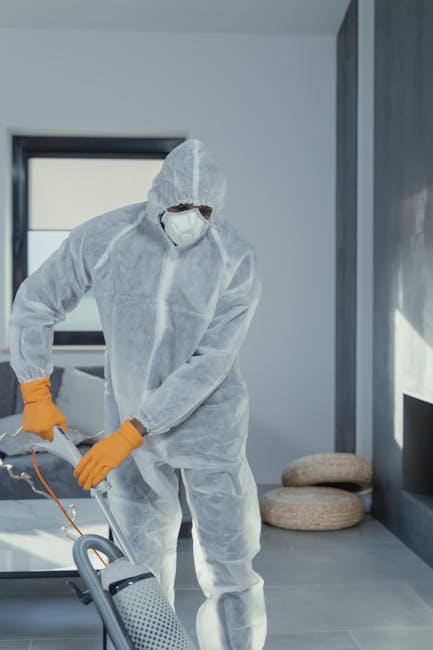
Deep cleaning Wimbledon Village London checklist: a practical guide for a properly thorough clean
If you have ever looked around a Wimbledon Village home and thought, "This place looks tidy enough, but it still doesn't feel properly clean," you are not alone. That is usually the moment a deep clean makes sense. A good Deep cleaning Wimbledon Village London checklist is not about polishing what you can already see. It is about getting into the places normal cleaning misses: behind appliances, around taps, on skirting boards, inside cupboards, and in all the little corners that quietly build up grime.
Whether you are preparing for guests, tackling a seasonal reset, managing a busy family home, or getting a property ready for a move, this guide walks through the process in a clear, practical way. You will get the checklist, the method, the common mistakes, and a few real-world pointers that help the job feel less overwhelming. Let's face it, deep cleaning sounds simple until you are three hours in and still staring at a dusty extractor fan.
Truth be told, the difference between a basic tidy and a proper deep clean is bigger than most people expect. The good news? Once you know what to target, it becomes much more manageable.
Why Deep cleaning Wimbledon Village London checklist Matters
Wimbledon Village has its own pace. Homes here often see a mix of family life, entertaining, pets, sports kit, seasonal visitors, and the general London dust that seems to settle no matter how often you clean. A deep clean matters because the visible surfaces can look fine while hidden build-up quietly affects how the home feels and functions.
A checklist helps because deep cleaning is easy to underestimate. Without structure, people usually spend too long on obvious jobs and miss the important ones. The result? The kitchen shines, but the fridge seal is still sticky. The bathroom sparkles, but the limescale on the shower screen remains. Not ideal.
There is also a planning benefit. If you know what is included, you can decide what to do yourself and what to hand over to a professional cleaner. That matters in busy households, rental turnovers, post-renovation spaces, and homes where time is already stretched thin.
Expert summary: A strong deep cleaning checklist gives you order, saves time, and reduces the chance of missing high-touch or hard-to-reach areas. The detail is where the value lives.
How Deep cleaning Wimbledon Village London checklist Works
A proper deep clean usually follows a top-to-bottom, room-by-room method. That sounds obvious, but people often jump around the property and end up cleaning the same surface twice. The smarter approach is to work from higher areas downwards, and from the cleanest areas to the dirtiest.
In practice, the process starts with preparation. You clear clutter, gather supplies, and decide which rooms need the most attention. Then you work through each zone systematically: dusting, degreasing, disinfecting, descaling, vacuuming, mopping, and finishing touch by touch. On a real job, that might mean spending more time in a kitchen and bathroom, and less in a guest room that only needs dust removal and floor care.
It also helps to think in layers. There is the visible clean, the hygienic clean, and the detail clean. A shiny sink is nice. A cleaned plughole, disinfected taps, polished tiles, and scrubbed edges are what make a room feel properly reset.
For homes with carpets, upholstery, or hard floors, a deep clean often goes beyond surfaces. You may need targeted treatments for stains, steam cleaning, or specialist cleaning for delicate finishes. If that sounds like a lot, it can be. But once the method is clear, it becomes much more manageable.
Key Benefits and Practical Advantages
A deep clean is not just about appearances. In a lived-in London home, the practical advantages show up quickly and usually in ways people notice straight away.
- Better hygiene: grease, dust, soap residue, and hidden grime are reduced in the places that matter most.
- Fresher indoor feel: rooms can smell cleaner and feel lighter, especially in kitchens, bathrooms, and pet-friendly homes.
- Less long-term wear: regular removal of dirt and residue helps protect finishes, fittings, fabrics, and flooring.
- More efficient routine cleaning: once the deep layers are removed, weekly cleaning becomes easier and quicker.
- Better presentation: useful before hosting, photography, moving, or simply getting back on top of a busy home.
One small but important point: deep cleaning also helps you notice problems early. A loose seal, mould spot, blocked vent, or water stain is much easier to spot when the rest of the area is actually clean. That kind of early warning saves hassle later on. Usually.
For many households, the emotional benefit matters too. A clean home can feel calmer. Not perfect, just calmer. And sometimes that is enough to take the edge off a busy week.
Who This Is For and When It Makes Sense
This kind of checklist is useful for a lot of people, not just those who have let things slide. In Wimbledon Village, it often makes sense for:
- families needing a seasonal reset after a busy period
- homeowners preparing for guests or events
- landlords and tenants handling end-of-tenancy cleaning
- people moving in or out of a property
- busy professionals who want a proper reset without doing everything themselves
- anyone dealing with built-up grease, dust, pet hair, or bathroom limescale
It also suits homes where regular domestic cleaning keeps things acceptable, but not fully fresh. That is a common situation. A weekly clean can maintain standards, yet still leave a gradual build-up in corners, under appliances, on tile grout, inside bins, and around radiators. Deep cleaning closes that gap.
When does it make sense to book or plan one? Usually before a big occasion, after winter, after renovation work, after illness, after a long stretch of neglect, or whenever the home starts feeling a bit sticky, dusty, or just not quite right.
Step-by-Step Guidance
If you want a genuinely effective result, do not clean randomly. Follow a sequence. This is where the job becomes far easier.
1. Start with a short walkthrough
Walk through each room and note the areas that need the most effort. In a Wimbledon Village flat, that might be kitchen grease and hallway dust. In a larger house, it may be bathrooms, stair rails, skirting boards, and hidden corners that get missed week after week.
2. Declutter first
Move loose items, toys, paperwork, toiletries, and small objects out of the way. Deep cleaning around clutter is a false economy. You end up lifting and shifting the same things again and again. Better to clear the surfaces once and work properly.
3. Clean from top to bottom
Dust ceilings, light fittings, shelves, picture rails, and high ledges first. Then move down to furniture, skirting boards, sockets, and floors. Gravity is not your friend here, so use it to your advantage.
4. Tackle kitchens and bathrooms in detail
These are the rooms where a deep clean shows fastest. Focus on:
- inside and outside of cabinets
- appliance fronts, handles, and seals
- sink drains and taps
- tiles, grout, and splashbacks
- toilets, baths, showers, and screens
- extractors and vents where accessible
In kitchens, a degreaser usually helps with buildup around hobs, splash zones, and cupboard handles. In bathrooms, descaling is often the difference between "clean enough" and "actually clean."
5. Work through living spaces and bedrooms
Dust furniture, behind furniture, lamps, windowsills, and skirting. If there are soft furnishings, vacuum them carefully. A sofa may look tidy, but crumbs and dust can hide in the seams. That is just life, honestly.
6. Finish with floors
Vacuum thoroughly before mopping hard floors. On carpeted areas, go slowly and use attachments along edges, under radiators where possible, and on stair treads. Finishing with floors gives the room that properly reset feeling.
7. Do a final detail check
Look at handles, switches, corners, mirror edges, taps, and the space behind doors. These tiny spots often tell you whether the job feels truly thorough or only halfway done.
Expert Tips for Better Results
Here is where a few small habits make a big difference. You do not need expensive gear to improve results; you need the right sequence and a few practical techniques.
- Let cleaning products sit long enough: a degreaser or limescale remover often works better when given a short dwell time rather than wiped off immediately.
- Use microfibre properly: a good cloth lifts dust better than a dry paper towel, especially on polished surfaces and glass.
- Change water more often: dirty mop water spreads grime. Simple, but people forget.
- Keep one cloth per zone: bathroom cloths should not be used in kitchens. It is cleaner, safer, and easier to manage.
- Use small tools for small spaces: toothbrush-style brushes, detailing brushes, and crevice tools are excellent for grout lines, taps, and around fittings.
- Open windows where possible: fresh air helps drying and reduces that damp, chemical-heavy feel after cleaning.
There is another small tip that matters more than people think: slow down on the first pass. Fast cleaning looks efficient, but slow and methodical cleaning often gets the better result. A quick second pass is usually faster than discovering you missed half the room.
If you are cleaning a property that has not had a deep reset for a while, work in sections and take a short break after each one. A ten-minute pause can stop the job from becoming one long, frustrating slog.
Common Mistakes to Avoid
Deep cleaning goes wrong in predictable ways. The good news is that most mistakes are easy to fix once you spot them.
- Starting with floors: this just means dust falls onto already cleaned surfaces.
- Using too much product: more cleaner does not equal better results, and sometimes leaves residue.
- Ignoring touchpoints: handles, switches, rails, remotes, and cupboard pulls collect more dirt than people realise.
- Forgetting hidden areas: behind bins, under beds, around appliances, and inside wardrobe corners are common miss spots.
- Cleaning before decluttering: this makes the job slower and less effective.
- Mixing products carelessly: never combine cleaning chemicals unless the product guidance explicitly says it is safe to do so.
One of the more annoying mistakes is trying to rush stain removal. A stubborn mark on a carpet, rug, or sofa often needs testing and a careful approach. Scrubbing harder is not a strategy. Usually it just makes the mark spread, which is a bit grim to watch, to be fair.
Tools, Resources and Recommendations
The right kit makes the checklist easier to follow. You do not need a van full of equipment, but a sensible set of tools helps a lot.
| Tool or product | Best use | Useful note |
|---|---|---|
| Microfibre cloths | Dusting, polishing, wiping surfaces | Use separate cloths for kitchen and bathroom tasks |
| Vacuum with attachments | Edges, upholstery, stairs, skirting | A crevice tool helps with corners and radiator gaps |
| Degreaser | Hobs, extractor areas, kitchen splash zones | Always test on sensitive finishes first |
| Descaler | Taps, shower screens, sinks, tile residue | Particularly useful in hard-water areas |
| Scrub brush | Grout, tubs, shower trays, tile joints | A smaller brush gives more control |
| Steam cleaner | Hard floors, tiles, some fabrics, detail cleaning | Check suitability before use on delicate materials |
| Spot cleaner | Localised carpet and upholstery marks | Good for small accidents rather than full restoration |
For larger homes or tougher jobs, specialist services can be a sensible option. A company offering deep cleaning can handle more intensive work, while home cleaning is often better for regular upkeep between deeper visits. If carpets, rugs, or sofas need attention too, it may make sense to combine the clean with carpet cleaning or upholstery cleaning.
If you are comparing services, also look at the provider's approach to insurance and safety and whether their cleaners are experienced with the type of property you have. That detail matters more than a flashy website, frankly.
Law, Compliance, Standards, or Best Practice
For most household cleaning, there is no complicated legal layer to worry about. Still, a few best-practice points are worth keeping in mind, especially if you are hiring help or managing a property professionally.
First, cleaning products should be used according to the instructions on the packaging. That sounds basic, but it is one of the most important safety points. Poor ventilation, product mixing, and unsuitable use on delicate surfaces can all create avoidable problems.
Second, if you are hiring a cleaning company, it is reasonable to ask about safety procedures, product handling, and liability cover. A professional provider should be able to explain how they manage risk in a straightforward way. No theatrics needed.
Third, if a property has been affected by renovation dust, mould, contamination, or a health issue, it may need more careful handling than an ordinary spring clean. In those cases, best practice means assessing the specific problem before starting, rather than assuming all deep cleans are the same.
For landlords, tenants, and homeowners involved in move-out preparation, keep records of what was cleaned and when. That is simply good practice and can prevent awkward disagreements later. A tidy checklist is helpful for that too.
Options, Methods, or Comparison Table
There are several ways to tackle a deep clean. The right option depends on time, budget, property size, and how much detail you want handled.
| Approach | Best for | Pros | Limitations |
|---|---|---|---|
| DIY deep clean | Smaller homes, light to moderate buildup | Flexible, cost-controlled, full personal oversight | Time-consuming and physically demanding |
| One-off professional clean | Busy households, move-in or move-out, big reset jobs | Faster, more thorough, less effort for the homeowner | Costs more than doing it yourself |
| Regular domestic cleaning plus periodic deep clean | Most family homes | Balances upkeep with occasional detail work | Requires planning and coordination |
| Specialist add-ons | Carpets, ovens, upholstery, hard floors | Targets problem areas more effectively | May need separate booking or extra time |
For many Wimbledon Village homes, the most practical route is a mix of regular upkeep and occasional specialist work. For example, a standard clean might keep things presentable, while a deeper reset handles the kitchen and bathrooms properly. If an oven, sofa, or dining carpet has taken a battering, separate specialist treatment can make the whole home feel cleaner, not just one room.
Case Study or Real-World Example
Here is a realistic example. Imagine a family home near Wimbledon Village that has had a busy school term, a few dinner guests, a dog, and not enough time for anything more than the basics. The kitchen looks okay at first glance, but the hob has a greasy edge, the fridge seals have collected crumbs, and the extractor cover has a film on it. In the bathroom, the taps are spotted and the shower screen has hard-water marks. The living room is tidy, but skirting boards and behind-sofa corners have collected dust.
A sensible deep cleaning plan for that home would begin with decluttering, then move through kitchen and bathroom detail work, then living areas, bedrooms, and floors. Upholstery and carpets might need additional attention if pet hair and tracked-in dirt are visible. After the clean, the house would not just look brighter; it would feel lighter to live in.
That is usually the real win. Not perfection. Just a home that breathes a bit easier.
Practical Checklist
Use this checklist to stay organised and avoid missing the quiet problem areas that make a home feel less fresh than it should.
- Declutter all surfaces and floors before starting
- Open windows where possible for ventilation
- Dust high areas first: shelves, lights, picture rails, curtain poles
- Clean vents, extractor covers, and radiator tops if accessible
- Wipe doors, handles, switches, and skirting boards
- Disinfect bathroom touchpoints and sanitary fixtures
- Descale taps, shower screens, and sink areas
- Degrease kitchen hobs, splashbacks, handles, and cupboard fronts
- Clean inside and outside of appliances where appropriate
- Vacuum upholstery, under furniture, and along edges
- Spot-treat carpets or rugs if needed
- Wash or wipe hard floors after vacuuming
- Check corners, behind bins, and under beds
- Empty bins and replace liners
- Do a final room-by-room inspection
If you are doing this on your own, it helps to tick each item as you go. Sounds a bit simple, but it keeps the whole job from drifting. One skipped section becomes three skipped sections very quickly.
Conclusion
A good Deep cleaning Wimbledon Village London checklist is really about confidence. It gives you a clear order, a realistic standard, and a way to deal with the hidden dirt that routine cleaning leaves behind. When done properly, it freshens the whole home, protects surfaces, and makes day-to-day upkeep easier.
Whether you are handling the work yourself or bringing in professionals for part of it, the key is to be systematic. Start with clutter, move top to bottom, focus on kitchens and bathrooms, and do not ignore the details. That is where the difference shows up.
If you are planning a proper reset and want help deciding what to do next, this is a good moment to compare your options and look at the kind of service that fits your home, your schedule, and your standards.
Get a free quote today and see how much you can save.
And once the last surface is done, take a moment. Open the window, step back, and enjoy that quiet little feeling of a home genuinely back in shape. It matters more than people think.
Frequently Asked Questions
What is included in a deep cleaning checklist for a Wimbledon Village home?
A typical checklist includes dusting high and low surfaces, cleaning kitchens and bathrooms in detail, wiping doors and switches, vacuuming edges and upholstery, cleaning floors, and checking hidden areas like behind appliances and under furniture.
How often should I book a deep clean?
That depends on the home and how it is used. Many people arrange one every few months, seasonally, or before a major event. Busy family homes and pet-friendly homes often benefit from more regular deep cleaning.
Is deep cleaning different from regular house cleaning?
Yes. Regular cleaning maintains the visible areas of the home. Deep cleaning goes further by targeting grime, limescale, grease, dust build-up, and the spots that are easy to miss during normal upkeep.
Do I need to empty cupboards before a deep clean?
Not always, but it helps if you want the inside of cupboards cleaned properly. At minimum, clear out the items that block access to the surfaces you want cleaned. It saves time and gives a better result.
How long does a deep clean usually take?
It varies a lot based on property size, condition, and how detailed the clean needs to be. A small flat can be much quicker than a large family house with multiple bathrooms, carpets, and lots of surfaces to detail.
What rooms should I prioritise first?
Kitchens and bathrooms usually come first because they collect grease, moisture, and residue faster than other rooms. After that, move through living areas, bedrooms, hallways, and finally floors.
Can a deep clean remove old stains?
Sometimes, yes, but not always. Fresh stains are usually easier to treat than older ones. Carpets, sofas, and rugs may need specialist treatment depending on the material and how long the stain has been there.
Should I hire professionals or do it myself?
If you have the time, stamina, and the right equipment, a DIY clean can work well. If the property is large, very busy, or in need of a full reset, a professional service is often the more practical choice.
Are specialist services worth adding on?
Often they are, especially for ovens, carpets, upholstery, and hard floors. Those areas can take a lot of effort and specialist products, so combining services can give a more complete result.
What should I ask before hiring a cleaning company?
Ask what the deep clean includes, how they handle safety, whether they have suitable insurance, what products they use, and whether any specialist tasks are included or priced separately. Clear answers are a good sign.
Is there a difference between spring cleaning and deep cleaning?
There can be overlap, but deep cleaning usually means a more intensive, detail-focused clean. Spring cleaning is often seasonal and broad, while deep cleaning is more likely to focus on heavy build-up, hard-to-reach spots, and a more thorough reset.
What is the best way to stay on top of cleaning after a deep clean?
A simple weekly routine works best. Keep high-touch areas, floors, and kitchen surfaces under control, and schedule deeper attention for bathrooms, appliances, carpets, and hidden corners before grime builds up again.
Wimbledon cleaning services can be a useful starting point if you want help beyond the checklist, and areas nearby such as South Wimbledon may also be relevant depending on where your home is located.