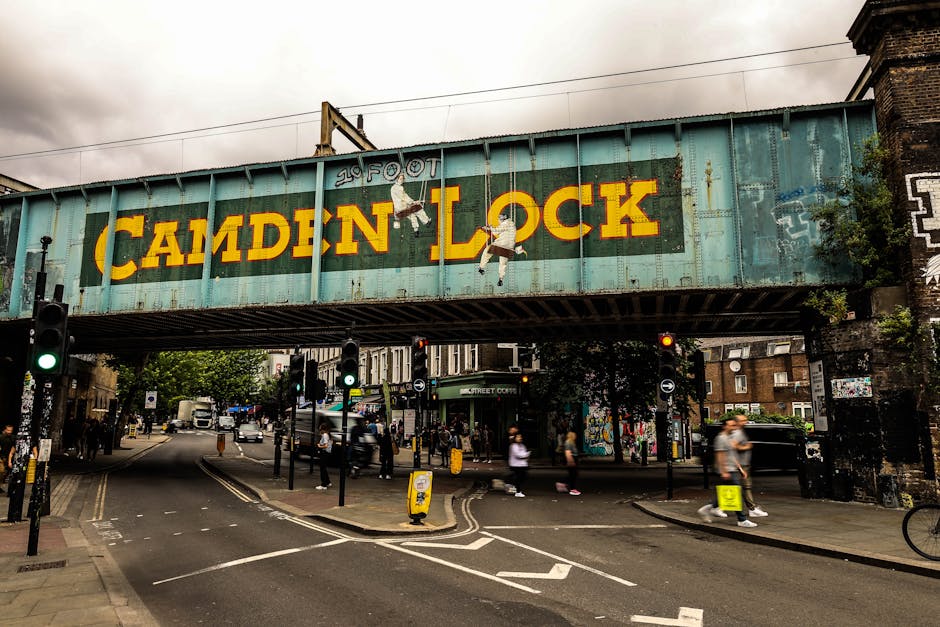
Camden High Street carpet cleaning London guide

If you live, work, or run a business near Camden High Street, carpet cleaning is one of those jobs that quietly changes everything. The room feels fresher, the air smells cleaner, and suddenly the place looks cared for again. This Camden High Street carpet cleaning London guide is here to help you decide what kind of cleaning you need, what to expect, and how to avoid paying for work that does not really solve the problem.
Camden is busy. Footfall is heavy, rain gets dragged in on shoes, and carpets in homes, shops, offices, and rental properties pick up grime fast. Add in pets, food spills, and the occasional flat-white mishap, and you get the picture. Truth be told, most carpets do not need replacing nearly as often as people think. They usually need the right clean, done properly.
In this guide, you will learn how carpet cleaning works, the main methods used in London, when it makes sense to book a professional, and what to check before you hire anyone. There is also a practical checklist, a comparison table, and a few real-world pointers that can save you hassle. Let's keep it simple, useful, and properly local.
Why Camden High Street carpet cleaning London guide Matters
Camden High Street is not a quiet suburban strip where carpets get a gentle once-a-year tidy. It is a high-traffic London area with a mix of residential blocks, independent shops, cafes, offices, and short-let properties. That matters because carpets in busy places gather dirt differently. It is not just visible staining. It is fine dust, shoe grit, food residue, oils from foot traffic, and sometimes dampness brought in from outside.
That build-up can make carpets look dull before they actually look dirty. Ever walked into a room and felt it was a bit "off" even though you could not point to one stain? That is often embedded soil or stale odour sitting in the fibres. In a place like Camden, where people are in and out all day, this can happen surprisingly quickly.
This guide matters because it helps you clean with intention. Not every carpet needs the same treatment. A family flat near Camden Market has different needs from a shop on the High Street or an office tucked just off the main road. Choosing the right cleaning method can protect carpet fibres, improve appearance, and reduce avoidable replacement costs.
It also matters from a practical property-management point of view. If you are a landlord, agent, tenant, or business owner, clean carpets help with presentation, inspection readiness, and day-to-day comfort. People notice the floor more than they admit. It is one of those things. Quiet, but powerful.
Key takeaway: in a busy Camden location, carpet cleaning is less about occasional tidying and more about maintaining a space that stays welcoming, hygienic, and usable.
How Camden High Street carpet cleaning London guide Works
Carpet cleaning is not just "spray and scrub." A proper clean usually follows a sequence: inspection, pre-treatment, agitation or extraction, drying, and a final check. The exact process depends on carpet material, soil level, and the type of stain you are dealing with.
Here is the plain-English version. First, a cleaner looks at the carpet and identifies the fibre type, visible issues, and problem areas. Wool, nylon, mixed fibres, and synthetic pile all behave differently. Then the cleaner chooses a method. That could be hot water extraction, low-moisture cleaning, shampooing, or targeted spot treatment. If you have ever rented a carpet cleaner and thought, "this should be easy," well, yes and no. The machine is only part of the story.
For most domestic and many commercial carpets, professional hot water extraction is a common choice. It uses water and solution under pressure, then removes soil and moisture with powerful extraction. People often call it steam cleaning, though strictly speaking it is usually hot water extraction rather than true steam. The distinction is not just technical trivia; it affects what results you can expect.
Some carpets benefit from shampooing, especially where heavy surface soiling is present. Others do better with a low-moisture process if dry time matters. A good cleaner should explain why one approach is safer or more effective than another. If they cannot, that is a red flag, simple as that.
In a Camden setting, access and logistics also matter. Narrow stairways, parking restrictions, shared entrances, and busy foot traffic can shape scheduling. A sensible cleaner plans around the local conditions instead of treating every job like it is in a roomy suburban house with unlimited van parking. London never makes it that easy, of course.
For broader property refresh work, some customers combine carpet cleaning with deep cleaning or book domestic cleaning alongside it, especially when they want the whole home to feel reset rather than just the floor.
Key Benefits and Practical Advantages
There are obvious benefits, and then there are the ones people only notice after the fact. Clean carpets look better, yes. But they also support comfort, longevity, and a better overall feel in the room.
- Better appearance: removed soil brightens colour and restores a more even finish.
- Improved odour control: stale smells from food, pets, moisture, or smoke are reduced when the source is properly treated.
- Longer carpet life: embedded grit is abrasive, so removing it helps fibres last longer.
- More comfortable living or working: a cleaner carpet can make a room feel calmer and less dusty underfoot.
- Better property presentation: useful for lettings, viewings, office visits, and guest-ready spaces.
- Targeted stain management: fresh spills can often be improved significantly when handled correctly.
There is also a very practical benefit that tends to get overlooked: maintenance becomes easier. Once the heavy build-up is removed, routine vacuuming and spot care actually work better. You are not constantly fighting old dirt that has settled deep into the pile.
In shared or rental properties, carpets can influence how a home is perceived right away. A clean hallway near the front door can make the whole place feel looked after. That may sound small, but small details carry weight.
Who This Is For and When It Makes Sense
Not everyone needs the same level of carpet cleaning, and that is where many people go wrong. The right choice depends on use, fibre type, condition, and timing.
This guide is especially useful if you are one of the following:
- Homeowners near Camden High Street who want to refresh tired living-room or hallway carpets.
- Tenants preparing for checkout or just trying to leave a flat in decent shape.
- Landlords and letting agents who want carpets presentable between occupancies.
- Shop owners and cafe operators dealing with daily foot traffic, spills, and a lot of passing dirt.
- Office managers who need a tidy, professional environment without major disruption.
- Pet owners who are dealing with hair, odour, or repeated accident spots.
It also makes sense after a spill that has gone beyond simple blotting, after a wet winter period, or before guests, inspections, or a property handover. Sometimes the question is not "should we clean the carpet?" but "how soon should we do it?"
Here is a useful rule of thumb: if the carpet still looks patchy after regular vacuuming, or if you can smell something before you can see it, a deeper clean is probably warranted.
Step-by-Step Guidance
If you want the best results, follow a methodical process. Rushing usually leads to over-wetting, missed stains, or disappointing drying times. Not ideal, especially if people need to walk on the carpet the same day.
- Inspect the carpet properly. Check fibre type, wear patterns, visible stains, and any damage. Wool and synthetics do not like the same approach.
- Vacuum thoroughly first. Dry soil should be removed before any wet cleaning begins. This is a boring step, but it matters a lot.
- Identify stains and risk areas. Coffee, wine, grease, pet accidents, and mud each need different handling.
- Choose the right cleaning method. Hot water extraction, shampooing, low-moisture cleaning, or spot treatment may be suitable depending on the carpet.
- Pre-treat problem spots. This helps break down grime before the main cleaning pass.
- Clean section by section. A steady pace is better than overworking one patch.
- Extract as much moisture as possible. Faster drying lowers the chance of musty smells or lingering dampness.
- Allow proper drying time. Open windows if the weather allows, use ventilation, and avoid heavy foot traffic too soon.
- Check the result after drying. Some stains lighten as the carpet dries; others may need a second targeted pass.
If you are hiring a cleaner, ask them how they handle stubborn marks before the work starts. A good answer is usually specific. A vague "don't worry, we'll sort it" sounds comforting, but not very informative.
Expert Tips for Better Results
There are a few small things that make a surprisingly big difference. These are the sort of details that separate a decent clean from a proper one.
- Act quickly on spills. The first few minutes matter most. Blot, don't rub. Rubbing just pushes the problem deeper.
- Test cleaning products first. Even mild products can affect colour or texture on delicate fibres.
- Use the least aggressive method that will still work. Over-cleaning can be as unhelpful as under-cleaning.
- Focus on entry points. Hallways and door areas often carry the heaviest grime in Camden properties.
- Rotate furniture where possible. This reduces permanent crush marks and keeps wear more even.
- Ventilation helps more than people think. A slightly open window and decent airflow can make the difference between "dry enough" and "still a bit soggy at 6pm."
If you are cleaning a rented flat or a busy office, schedule the job when the space can breathe a bit. Early morning works well. So does a quieter afternoon, if the building allows it. That little timing decision can save a whole lot of inconvenience.
For upholstery, rugs, or sofas in the same space, it can be efficient to combine the job with upholstery cleaning or rug cleaning. The result feels more complete, and the room tends to stay fresher longer.
Common Mistakes to Avoid
Carpet cleaning mistakes are usually very ordinary ones. That is the annoying part. They are easy to make, and hard to undo.
- Using too much water: over-wetting can lead to long drying times, wick-back, or a musty smell.
- Scrubbing aggressively: this can fray fibres and spread stains wider.
- Cleaning without vacuuming first: loose grit turns into mud the moment moisture is added.
- Ignoring the stain type: protein stains, grease, dye, and tannins need different treatment.
- Choosing the cheapest quote blindly: low prices can hide rushed work, weak equipment, or poor aftercare.
- Assuming all carpets can be treated the same way: they cannot. Not even close.
Another common one: people clean one visible patch and stop there. Then the surrounding carpet looks dull by comparison. You end up with a "clean square" effect, which is never a great look. Better to clean the area properly and feather the work so it blends.
And yes, overusing scented products can mask a smell for a day while doing absolutely nothing about the source. A room can smell like artificial flowers and still be dirty. Strange but true.
Tools, Resources and Recommendations
The right tools make the job easier, but they also reduce the risk of damage. If you are comparing a professional service with a DIY approach, it helps to know what is usually involved.
| Option | Best for | Pros | Limits |
|---|---|---|---|
| Vacuum cleaner | Routine maintenance | Removes loose dirt, easy to use, essential first step | Will not remove embedded soil or deep stains |
| Rental machine | Occasional DIY deep clean | Cheaper upfront, useful for a small area | Mixed results if used incorrectly; drying can be slow |
| Professional hot water extraction | Heavier soil, larger areas, general deep cleaning | Stronger extraction, more thorough finish, better stain handling | Needs planning and proper drying time |
| Low-moisture cleaning | Quick turnaround spaces | Faster drying, less disruption | May not suit every stain or every carpet type |
| Targeted spot treatment | Fresh spills and local marks | Good for isolated problem areas | Not a substitute for a full clean |
For homeowners who are comparing services, a helpful starting point is a reputable carpet cleaning service page that explains the process clearly and does not hide behind vague promises. If your carpet is only lightly soiled and you want to do a small area yourself, carpet cleaner rental or a planned hire carpet cleaner option may make sense, but only if you are comfortable handling drying and spot testing properly.
For tackle-the-stain scenarios, you might also look at spot cleaner support or compare the idea of carpet steam cleaner style equipment with more traditional carpet shampoo approaches. The labels can be a bit messy, to be fair, so it helps to ask what the machine actually does rather than relying on the name.
If you prefer an end-to-end service, carpet cleaning services should give you clarity on method, drying time, and what happens if a stain does not fully lift on the first pass. That kind of detail says a lot.
Law, Compliance, Standards, or Best Practice
Carpet cleaning itself is not usually a highly regulated activity in the way some trades are, but there are still important best-practice expectations. A trustworthy cleaning company should take health and safety seriously, especially when operating in homes, communal buildings, and commercial premises.
That means sensible handling of cleaning solutions, care around slip risks, and proper use of electrical equipment. It also means clear communication about access, drying times, and any surfaces that may be sensitive to moisture. If a contractor works in shared premises, they should also be considerate about disruption, signage, and safe movement through the property.
In London, practical safety often matters more than people expect. Wet carpets near entrances can become slippery. Equipment cables need to be managed properly. Stairways and narrow hallways need a bit of planning. These are not dramatic issues, just the everyday realities of working in the city.
It is also sensible to check a provider's insurance and safety approach before booking. A transparent company should be able to explain how they protect your property and what they do if something goes wrong. You want confidence, not crossed fingers.
For related operational standards, some customers like to review pages such as insurance and safety, health and safety policy, and payment and security before proceeding. That is not overcautious. It is sensible.
Options, Methods, or Comparison Table
Different carpet cleaning methods suit different situations. If you understand the basic trade-offs, it becomes much easier to choose well. Here is a practical comparison.
| Method | Best use | Drying time | Typical result | Notes |
|---|---|---|---|---|
| Hot water extraction | General deep cleaning, embedded dirt, busy homes | Moderate | Thorough, refreshed fibres | Often the strongest all-round choice if drying is managed well |
| Shampoo cleaning | Heavy surface soil and older grime | Moderate to slow | Good visible improvement | May leave residue if not rinsed or extracted well |
| Low-moisture cleaning | Offices and spaces needing faster turnaround | Fast | Freshen-up and maintenance clean | Can be less aggressive on deep soil |
| Spot treatment only | Small, isolated marks | Fast | Improves specific stains | Not a substitute for a full clean |
| DIY rental machine | Budget-conscious users with time to spare | Variable | Can be decent on small jobs | Technique matters a lot; easy to over-wet |
If you are in a busy Camden property, the "best" method is often the one that balances stain removal with sensible drying. A great result that leaves the room unusable all afternoon is not really a great result, is it?
Commercial spaces may also combine carpet care with office cleaning, while households sometimes pair it with one-off cleaning or spring cleaning for a fuller reset.
Case Study or Real-World Example
Here is a realistic example from a Camden-style property without pretending it is a dramatic before-and-after miracle story. A small rented flat just off Camden High Street had hallway traffic marks, a few coffee spots in the living room, and a faint stale smell that became more obvious when the windows stayed shut in colder weather.
The carpet itself was not ruined. That is the point. It was just tired. The owner wanted it ready for a new tenant, but did not want to replace the carpet because the pile was still serviceable. A proper inspection showed that the hallway carried most of the damage, while the lounge only needed targeted pre-treatment around the sofa area.
The cleaner used a pre-vacuum, spot treatment on the coffee marks, and a deep-clean process suited to the synthetic fibre. The main thing the client noticed was not just the cleaner look, but the smell. The flat no longer had that closed-up, slightly musty feel that old carpet can give a room after winter. Small detail, big difference.
A useful lesson came from the drying stage. The windows were cracked open, a fan was positioned to keep air moving, and the tenant handover was scheduled for later in the day. No drama, no soggy carpet, no rushed comeback visit. Just a normal, workable outcome.
That is often what good carpet cleaning looks like in real life. Not flashy. Just calm, effective, and done with enough planning that the rest of the day can carry on.
Practical Checklist
Use this checklist before booking or starting any carpet cleaning work near Camden High Street:
- Identify the carpet fibre if possible.
- Check whether the carpet has stains, wear, or odour issues.
- Vacuum thoroughly before any wet clean.
- Decide whether you need a full clean or just spot treatment.
- Ask how long drying is likely to take.
- Confirm whether furniture needs moving in advance.
- Protect nearby flooring or skirting where needed.
- Test any product in a hidden area first.
- Avoid walking on the carpet until it is properly dry.
- Keep windows open or ventilation running if the weather allows.
- Ask what happens if a stain needs a second pass.
- Keep pets and children away from damp areas until safe.
If you want to make life easier, save the room plan before the cleaner arrives. Moving a few small items in advance can shave off hassle later. No one enjoys standing around wondering where to put a lamp at 8:15 in the morning.
Get a free quote today and see how much you can save.
Conclusion
Camden High Street carpet cleaning is really about matching the right method to a lively, often high-traffic London environment. Whether you are looking after a home, rental, office, or shop, the basics are the same: inspect first, choose the correct process, treat stains properly, and allow enough drying time for the carpet to settle back into daily life.
If you remember one thing from this guide, let it be this: a good clean is not just about making a carpet look better for a day. It is about preserving the space, improving comfort, and avoiding the cycle of patchy fixes that never quite solve the problem. A little care goes a long way. Really, it does.
And if you are still weighing up DIY versus professional cleaning, take a breath and look at the carpet honestly. Sometimes the smartest move is to let a proper cleaner handle the stubborn bits, especially in a busy place like Camden where time and access are not always on your side. Clean floors have a way of making everything else feel more manageable. That's no small thing.
Frequently Asked Questions
How often should carpets be professionally cleaned in Camden High Street properties?
That depends on foot traffic, pets, children, and whether the property is residential or commercial. Busy spaces usually need more frequent cleaning than quiet homes. If the carpet starts to look dull or smell stale before your next planned clean, do it sooner.
Is steam cleaning the same as hot water extraction?
People often use the terms interchangeably, but they are not always exactly the same. In most carpet cleaning jobs, the method used is hot water extraction, where heated water and solution are applied and extracted. It is the common professional approach for deep cleaning.
Can carpet cleaning remove old stains?
Sometimes, yes. Older stains are harder to remove because they may have bonded with the fibres or discoloured them. The sooner a stain is treated, the better the chance of improvement. A cleaner should always be honest if a mark is permanent or only likely to lighten.
How long does a carpet take to dry after cleaning?
Drying time varies based on the cleaning method, carpet thickness, weather, and ventilation. In many cases, carpets can take several hours. Good airflow helps. If a carpet is still damp the next day, that is worth querying.
Is DIY carpet cleaning worth it for a flat near Camden High Street?
It can be, especially for small areas or light refresh jobs. But DIY machines can leave carpets too wet if used carelessly. If the carpet is expensive, heavily soiled, or needs a proper result for a handover, a professional clean is usually the safer option.
Will carpet cleaning damage wool carpets?
It can if the wrong products or methods are used. Wool needs more care than many synthetic fibres. A cautious cleaner should test first and use a suitable low-risk method. If they sound casual about it, that is not reassuring.
Can carpet cleaning help with pet smells?
Yes, if the odour source is in the carpet fibres or underlay and the cleaner treats it correctly. Surface fragrance alone will not solve the issue. Pet odours often need targeted treatment, extraction, and proper drying.
What should I ask a carpet cleaner before booking?
Ask what cleaning method they use, how long drying will take, whether they pre-treat stains, what kinds of carpets they handle, and whether their quote includes everything. Clear answers are a good sign. Vague answers usually are not.
Do I need to move furniture before carpet cleaning?
Sometimes yes, sometimes partly. It depends on the job and the cleaner's policy. Small items usually need to be moved, while heavier pieces may be worked around or moved with care. It is best to confirm in advance rather than guess on the day.
Is carpet shampoo better than steam cleaning?
Neither is universally better. Shampoo can be useful on certain heavy-soil jobs, while hot water extraction often gives a more thorough deep clean. The right choice depends on the carpet type, the amount of dirt, and how quickly the space needs to be usable again.
How can I keep carpets cleaner for longer after a professional clean?
Vacuum regularly, deal with spills quickly, use mats at entrances, and avoid walking dirt through the property where possible. In a place like Camden, that extra bit of maintenance really does help. A little habit goes a long way.
What is the biggest mistake people make with carpet cleaning?
Probably over-wetting the carpet or using the wrong method for the fibre type. Both can leave you with slow drying, residue, or even damage. The second biggest mistake is waiting too long to treat spills. The carpet never thanks you for that.